Category: Europe

  • Why Ukraine is Armed to Win the Week, Not the War

    Why Ukraine is Armed to Win the Week, Not the War

    The public needs to understand… America wants Ukraine to win, but America also wants to avoid a war with Russia. That tension has shaped every big decision since the first weeks of the invasion, when President Biden said a no-fly zone was off the table because it risked “World War Three.” The same basic idea, call it escalation management, explains the slow yes on tanks and long-range missiles, the fits and starts on aircraft, and today’s metered flow under President Trump.

    What got sent, and when

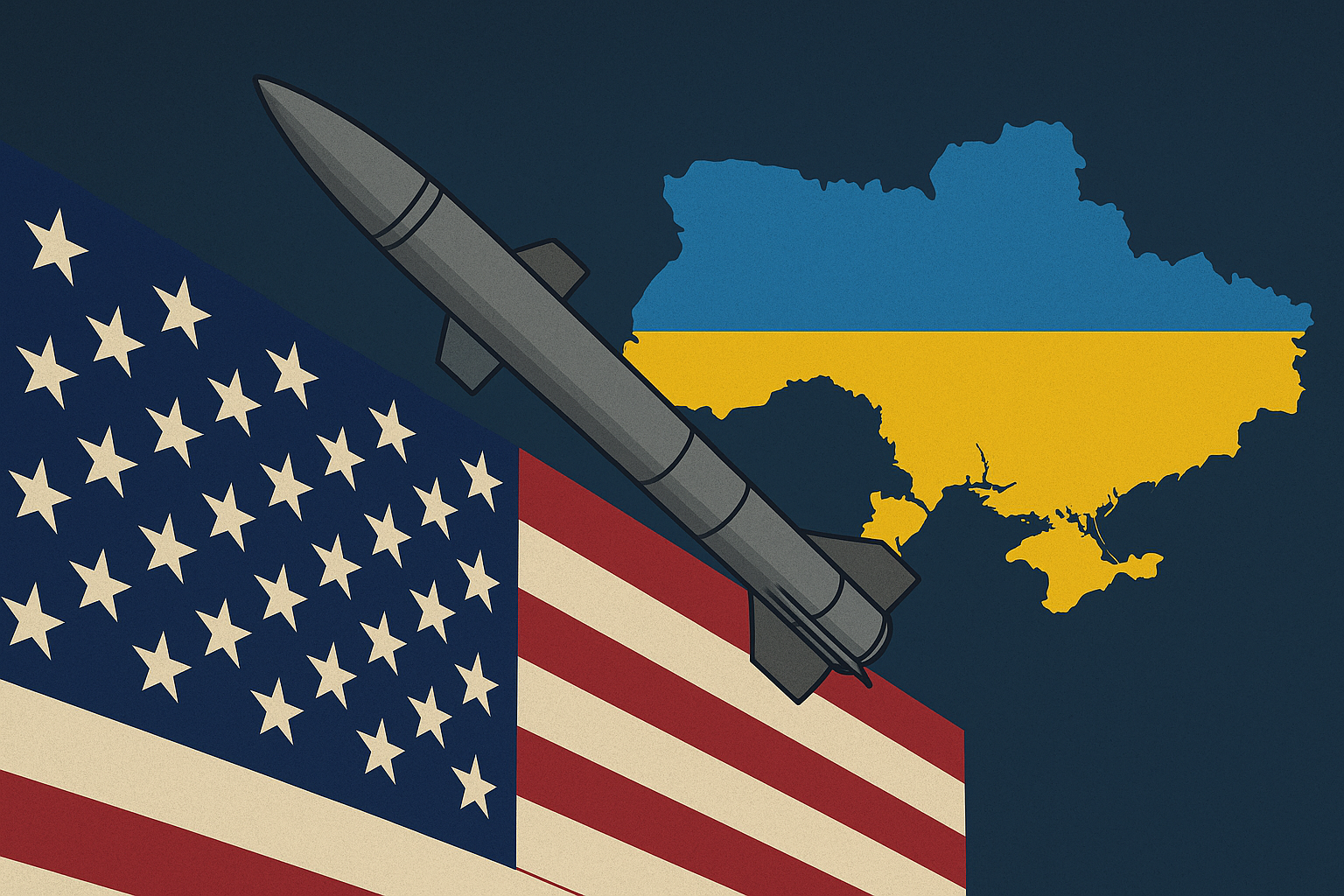
    Under Biden, the United States built the backbone of Ukraine’s air defense and ground-maneuver kit. Washington sent Patriot and NASAMS air defenses, HIMARS rocket launchers, Bradleys and Strykers, and, after months of debate, 31 M1 Abrams tanks. In April 2024 the administration also delivered longer-range ATACMS, and in mid-2023 it authorized 155mm DPICM cluster munitions after a tough internal fight. As of Jan 9, 2025, the State Department reported $66.5B in U.S. security assistance to Ukraine since Feb 24, 2022. That is the core military ledger of Biden’s term.

    The long-range picture is what drew the loudest criticism. Biden said no to F-16s in Jan 2023, then opened the door in May 2023 and backed allied training and transfer. By mid-2024, deliveries and training pipelines were in motion. ATACMS followed a similar path, with limited-range variants first, and later shipments confirmed in April 2024. The logic was steady, not flashy. Move step by step. Expand Ukraine’s reach, but test the Russian reaction as you go.

    What did not get sent also matters. The United States held back on MQ-1C Gray Eagle strike drones in 2022-2023 over escalation and tech-security risks. Washington never offered Tomahawk cruise missiles, which allies like the U.K. and France effectively substituted with Storm Shadow and SCALP. In late 2024 Washington let Kyiv hit certain military targets inside Russia with Western arms, but it has kept a ceiling on the longest-range strike combinations that could be read as direct U.S. enablement of a campaign deep into Russian territory. That mix of yes and not-yet is the tell.

    Then came 2025

    Donald Trump returned to the White House on Jan 20, 2025. He campaigned on ending the war “day one,” and his team quickly paused some U.S. weapons shipments approved in 2024, triggering a public fight over leverage, readiness, and end-states. Through the spring and early summer, shipments were on-again, off-again. By July and September, a new allied funding channel began to move U.S. munitions using European money, while Trump continued to resist large new U.S. appropriations. The Senate, on a bipartisan basis, still moved to tuck roughly $1B of Ukraine support into defense bills. Net-net, 2025 has seen fewer new U.S. dollars, more allied cash for U.S. kit, and a slower operational tempo out of Washington.

    If you want the clean split in dollars: Biden’s term accounted for roughly $66.5B of U.S. military aid commitments through Jan 9, 2025. Under Trump in 2025, new U.S.-funded tranches have been limited, with deliveries relying mainly on previously approved funds and allied-funded buys via the new Prioritized Ukraine Requirements List. The Senate has pushed for about $1B in fresh authorization, but that is not the same as enacted, signed-into-law money. That is the ledger as of Oct 22, 2025.

    Why so careful

    Both administrations have watched the Kremlin signal nuclear red lines, then stage theater to back them up. Russia moved tactical nuclear weapons into Belarus in 2023 and ran exercises in 2024 practicing nuclear use scenarios. Moscow staged additional drills in 2025. These shows do not make nuclear use likely, but they raise the tail-risk. Washington’s answer has been to expand Ukraine’s punch, avoid a sudden leap, and let Russia’s leadership get used to each new rung. That is textbook escalation management.

    What the front looks like

    The line of contact has shifted yards and miles, not hundreds of miles. Russia captured Avdiivka in Feb 2024, then pressed west through small settlements. In summer 2025 Moscow claimed Chasiv Yar, a move Ukraine disputes but treats as a real threat to supply lines toward Kramatorsk and Sloviansk. ISW’s assessments this fall still frame the fight as grinding and positional, with Russian pressure continuing in the Pokrovsk direction. The map says “attrition.” So do the casualty and ammo curves.

    What Ukraine built on its own

    Kyiv has not waited on everything. Ukrainian engineers scaled a domestic long-range strike campaign, mostly with drones, that now reaches deep into Russia. 2025 raids have repeatedly hit refineries and depots. Reuters’ refinery data show about 17% of Russia’s refining capacity offline by late August, peaking near 21% at month’s end. Gasoline prices inside Russia ticked up. That is what a cost-imposition play looks like when you cannot mass brigades for a breakout.

    Why not go bigger, faster

    Here is the heart of it. If Washington handed over every long-range tool on Kyiv’s wish list tomorrow and blessed strikes across Russia’s interior with U.S.-supplied systems, Ukraine would hit more airbases, more logistics hubs, and more power infrastructure. It might also trigger Russian steps that cross the line we all fear. The reason has less to do with military asymmetry than with the political risk. The Kremlin keeps its nuclear rhetoric close at hand for a reason, and it has the delivery systems to make the threat credible. The United States keeps one eye on that tail-risk even when the probability looks low. That is why some systems have been sequenced, some have been withheld, and some have moved only through allies.

    Is the stalemate on purpose

    Not exactly. Washington is not trying to freeze the war. Washington is trying to deny the Kremlin a narrative that says “NATO is attacking Russia,” while making sure Ukraine does not lose. In practice that looks like steady air defense resupply, fires, and armor, cautious steps on long-range options, and yes, periods where the flow slows because domestic politics intervene. Biden’s team called it avoiding World War Three. Trump’s team calls it burden-shifting to Europe and using leverage to push talks. The effect at the front is similar. The line moves slowly.

    Will Russia’s war economy crack on its own

    Not soon, but pressure is building. Russia lifted defense outlays to about 6.3% of GDP in 2025, with defense and security together near 40% of federal spending. Growth was strong in 2024, then slowed sharply. By mid-2025 the IMF was marking down 2025 growth toward 0.6%-1.4% as high interest rates, labor shortages, and sanctions bit. The budget deficit widened again in 2024 and the government has been hunting for revenue, including tax rises. None of that means collapse this winter. It does mean a high-pressure economy that gets more brittle if the war drags through the next 1-2 years with continued strikes on energy assets and a tight labor market.

    What happens next

    Ukraine’s homegrown strikes have hurt Russian refining and forced costly patch-and-guard cycles. They have not forced Moscow to the table. The battlefield remains positional. The U.S. and Europe are still arguing about cost, risk, and timelines. In that world, the “just enough” approach looks set to continue. It is not satisfying. It is not fast. It is, for now, the way Washington squares two hard truths. Help Ukraine keep standing. Keep a nuclear-armed adversary from feeling cornered. We can keep doing both. The job is to hold steady.


    Table 1. Key U.S. systems for Ukraine, with decision and delivery milestones

    SystemU.S. decision/announcementFirst confirmed in Ukraine / first useNotes / restrictions
    HIMARS + GMLRSJune 2022, multiple packagesArrived by June 23, 2022Workhorse for deep fires inside Ukraine.
    NASAMSNov 2022First delivery Nov 7, 2022Point air defense around cities and critical sites.
    Patriot air defenseDec 21, 2022Operational by May 2023, credited with downing KinzhalsHigh-end ballistic and cruise defense, limited numbers.
    Bradleys, Strykers, MRAPsJan 19, 2023 package2023 deliveriesMechanized infantry backbone, thousands of vehicles across packages.
    Abrams tanks (31)Jan 25, 2023 pledgeFirst tanks arrived Sept 25, 2023Deployed sparingly in 2024, pulled back due to FPV drone threat.
    Cluster munitions (DPICM)July 2023First transfers announced July 7, 2023Controversial, supplied repeatedly through 2024.
    ATACMS (long-range variants)Secret transfer early 2024, confirmed April 24–25, 2024Used twice by late April 2024, per U.S. officialRange and target rules evolved during 2024.
    F-16 fighters (via allies)U.S. training/transfer approvals in 2023; allied deliveries 2024–2025Initial arrivals mid-late 2024 via EU partnersU.S. enabled training and re-export, aircraft supplied by allies.

    Table 2. Systems withheld or hedged, and why

    System / requestStatusReason cited in public
    MQ-1C Gray Eagle armed dronesWithheld in 2022Tech security, escalation risk, survivability.
    Tomahawk cruise missilesStill not provided as of Oct 2025Inventory and escalation concerns; low likelihood per U.S. officials.
    No-fly zone over UkraineRejected by U.S./NATO in 2022Direct war risk with a nuclear power.

    Table 3. Policy “red-line” adjustments on striking Russia with U.S. weapons

    ChangeWhenWhat changed
    Limited cross-border fires near KharkivMay 30–31, 2024U.S. allowed U.S.-supplied weapons to hit firing points inside Russia proximate to Kharkiv.
    Wider authorization inside RussiaNov 17–18, 2024U.S. allowed strikes deeper into Russia, including with ATACMS, under conditions.
    2025 posture under Trump2025Shipments briefly paused, then partially resumed; pivot to allied-funded U.S. arms via PURL.


    Table 4. Who paid for what, and how

    BucketMechanismApprox amountWhat it covered
    U.S. security assistance through Jan 8, 2025 (Biden years)Presidential drawdowns + USAI + FMF$66.5B committedAir defense, artillery, armor, munitions, training, sustainment.
    U.S.-funded new 2025 aid (Trump year-to-date)Mixed, no large new U.S. supplemental enactedLimited, episodic shipments with pauses and restartsDeliveries prioritized as “defensive,” stockpile concerns noted.
    Allied money for U.S. weapons to Ukraine (PURL)NATO allies pool funds to buy from U.S. stocks~$1.5B secured by Aug 14, 2025, with target ~$3.5B by OctPatriot and HIMARS munitions, other high-demand items.


    Table 5. Battlefield trendline, 2024–2025

    AreaEventDateNotes
    AvdiivkaRussia captured the townFeb 18–19, 2024Biggest Russian gain since Bakhmut.
    Avdiivka axis westwardRussian incremental gains around Severne, OcheretyneFeb–Apr 2024Consolidation after Avdiivka.
    Chasiv YarRussia claimed capture after long fightJuly 31, 2025Disputed at first by Kyiv, then front edged west.
    Pokrovsk directionOngoing attacks with limited movementOct 19–20, 2025ISW shows grinding operations, few confirmed advances. (Institute for the Study of War)


    Table 6. Russian nuclear signaling that shaped U.S. pacing

    SignalDateWhat happened
    Tactical nukes moved to BelarusMay–June 2023Deployment steps confirmed by Moscow and Minsk.
    Tactical nuclear drills expandJune 2024Drills in southern and Leningrad districts, dummy warheads moved.
    Strategic nuclear triad exercisesOct 2024 and Oct 2025Missile launches from land, sea, air to test command and control.

    Table 7. Ukraine’s own long-range strikes on Russian energy

    Metric / target setWhenEffect observed
    Drone campaign vs refineries and terminalsPeaks Aug–Sept 2025Roughly 17–21% of Russia’s refining capacity offline at times, 1.1–1.4M bpd disrupted. Kirishi, Ryazan and others hit.
    Moscow responseAug–Oct 2025Reserve units tasked to defend refineries, intermittent fuel shortages and price spikes.

    Table 8. Russia’s war economy: strain points to watch

    Indicator2025 snapshotWhy it matters
    National defense outlays~6.3% of GDP in 2025, ~1/3 of all spendingVery high sustained war spend.
    Combined defense + security share~38–41% of federal spendingCrowds out investment and social spend.
    IMF growth outlook2025 real GDP +0.6% with high inflationGrowth slows as costs rise.

  • Navigating Europe’s €305 Billion Trade Gap with China

    Navigating Europe’s €305 Billion Trade Gap with China

    When Ursula von der Leyen and António Costa step off their plane in Beijing later this month, they will be met not by red carpets but by a gauntlet of tough questions: can Europe close a €305 billion goods‐trade gap without splintering into twenty-seven mini-negotiators? Behind the scenes in Brussels, capitals buzz with anticipation and anxiety. Some eye shiny Chinese gigafactories; others are poised to deploy Brussels’ new Anti-Coercion hammer. The stakes could not be higher: from rare earths to electric vehicles, from farm goods to medical devices, this summit will test whether the EU can negotiate as one or fracture into a chorus of solo acts.

    1. Trade Tumble: €305 Billion and Counting

    By year-end 2024, EU goods imports from China hit €518 billion, while exports languished at €213 billion leaving a yawning €305 billion deficit, the largest on record. That shortfall climbed from €111 billion a decade earlier and, seasonally adjusted, peaked at €47 billion in spring 2023 before ebbing to €36 billion in early 2024.

    China now supplies 21.3% of all extra-EU imports but takes only 8.3% of exports. Among imports, chemicals top the list at €44 billion (8.5%), followed by manufactured goods (€14 billion), crude materials (€10 billion) and agri-food (€6 billion). On the export side, machinery and transport eke out gains, yet overall exports to China fell 4.6% in 2024, underscoring intensifying competition.

    Fluctuations are dramatic, in January 2024, EU imports from China slipped to €36 billion, only to rebound past €44 billion by May. Exports swung between €16 billion in October 2023 and just over €21 billion in February 2023. Behind these shifts lie Covid-era supply swings, geopolitical jitters and tariff skirmishes.

    To chip away at this imbalance, Brussels wants reciprocal market access: fewer non-tariff barriers on European cars, pharmaceuticals and services in China; more Chinese purchases of EU high-value goods. Yet Beijing’s blue-print veers toward import substitution and industrial self-reliance, dampening EU hopes of swift trade correction.

    2. Rare-Earth Roulette: Europe on China’s Table

    Europe imported just 12,900 tonnes of rare earth elements (REEs) in 2024, down 29% from the previous year, and exported 5,500 tonnes. Almost half of those imports (about 6,000 tonnes) came from China, despite Brussels’ push to diversify. At a total value of €101 million, these raw materials power everything from electric-vehicle motors to wind turbines, giving China a strategic chokehold.

    In 2023, whispers of Chinese export curbs sent light-rare-earth oxide prices soaring by 60% overnight. Europe’s response was the March 2023 Critical Raw Materials Act, which aims to cap single-country reliance at 65% by 2030 and boost EU-based processing to cover 45% of needs. Yet building mines and factories takes years, and billions in up-front investment.

    Some capitals are heeding the call: a Spanish-Swedish consortium is investing €1.2 billion in a processing plant in northern Sweden; Finland has green-lit permits for a €700 million mine. But the bulk of new projects remain at the drawing-board stage, leaving Brussels vulnerable. China, meanwhile, signals that any tightening of REE exports will prompt price spikes and supply delays, an implicit threat the EU must neutralize if it wants genuine leverage in Beijing.

    3. EV Face-off: A New Battleground

    For European automakers already wrestling with emissions rules, Chinese battery-electric vehicles (BEVs) present a fresh headache. In January–February 2025, over 50,000 Chinese BEVs entered the EU, even after provisional tariffs of up to 45% were slapped on battery-powered imports in mid-2024. Plug-in hybrids (PHEVs), which face only about a 10% duty, surged 892% to 25,900 units, undercutting BEVs by a €6,000–€8,000 tariff gap.

    A typical BYD Atto 3 BEV incurs roughly €10,000 in duties when sold in Germany, compared with €4,000 for a Seal U PHEV—on a sticker price that is itself €6,000–€8,000 lower than equivalent European models. The net effect: Chinese brands can underprice their rivals by 20–25%, eroding margins and market share.

    European incumbents are scrambling. VW Group is racing to convert its Zwickau factory for battery production; Stellantis is weighing a €2 billion gigafactory in Poland; Renault has pledged €1.8 billion to its Douai plant. But Beijing counters with sweetened loans and grants: Hungary alone received 44% of all Chinese FDI into Europe in 2023—about $16 billion—much of it earmarked for EV battery projects in Debrecen and Szeged.

    In Debrecen last spring, the mayor cut the ribbon on a €7.5 billion CATL battery plant—boasting it would power half of Europe’s EV fleet—unfazed by Brussels’ looming trade-defense probe. That image looms large in Beijing’s playbook, as it signals to other capitals that self-interest trumps bloc solidarity every time.

    4. Farm to Pharma: Under-the-Radar Risks

    Beyond cars and chips, China’s low-cost edge in agriculture and medical devices poses underappreciated threats. EU imports of Chinese food and live animals reached €6 billion in 2024 (1.2% of total), yet European agri-food exports to China dropped 4.6%, denting incomes in Spain, France and the Netherlands. Sanitary barriers and quota limits remain stubbornly high.

    In medical devices, where Europe once dominated, imports from China climbed to €5.2 billion, accounting for 13.4% of extra-EU purchases. Beijing’s respirators, bandages and diagnostic kits are 30–40% cheaper than European equivalents. Brussels has begun banning Chinese bidders from public tenders above €5 million—covering roughly €60 billion of contracts—but enforcement is patchy, and national health authorities fret over supply shortages.

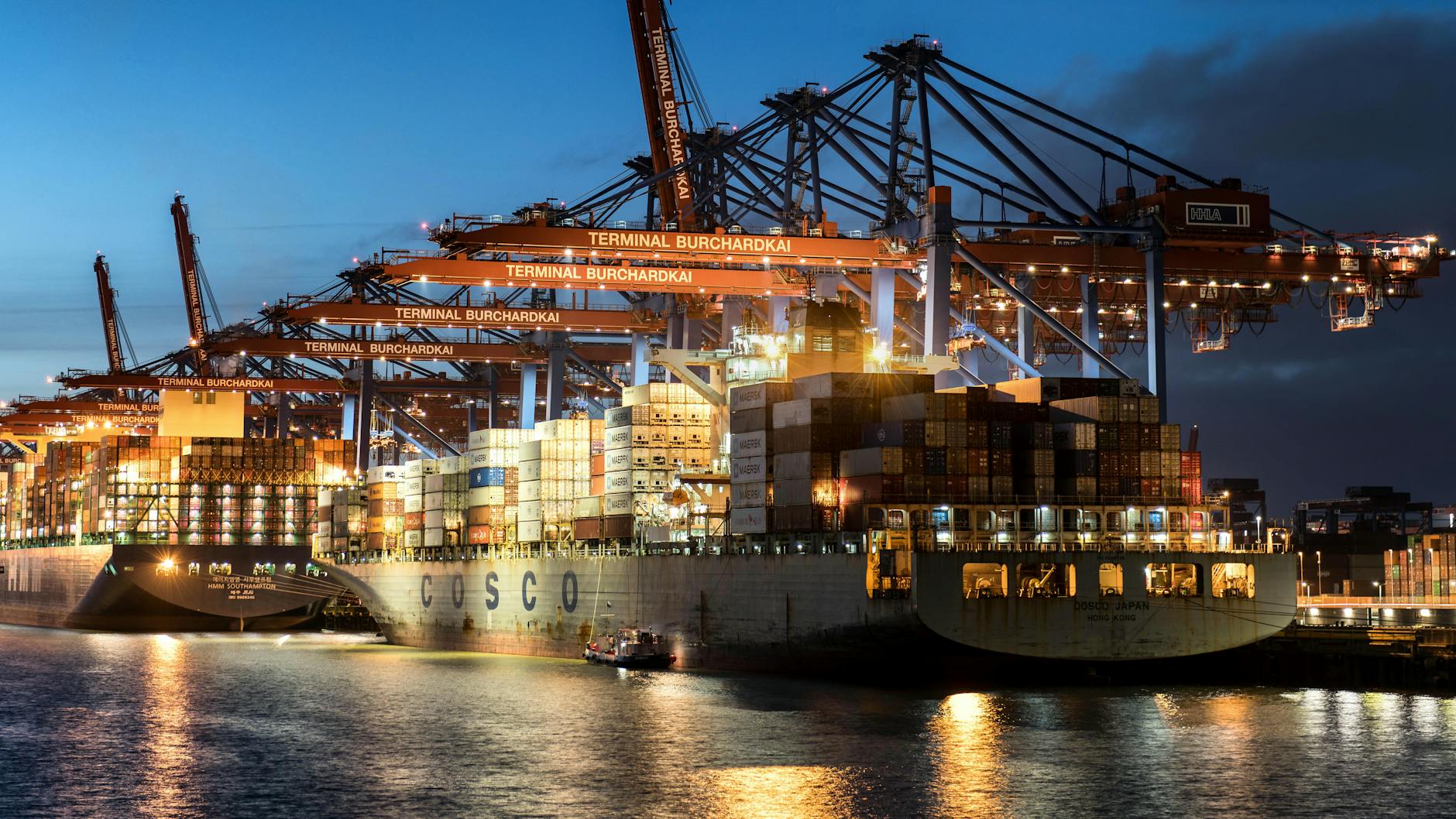
    Dockworkers in Piraeus now swap tales of Cosco’s crimson-and-gold cranes, each container an emblem of creeping Chinese influence. As ports like Trieste and Piraeus become Beijing’s beachheads, member states find themselves torn between immediate jobs and long-term strategic costs.

    5. Divide-and-Rule: The Hungary Gambit

    China’s “divide-and-conquer” strategy thrives on bilateral backchannels. Hungary, long dubbed Beijing’s “all-weather friend,” joined the Belt and Road Initiative in 2015 and by 2023 had bilateral trade of €10 billion. It hosted a $2.1 billion loan for a BRI rail link and drew 44% of Chinese FDI into Europe, about €16 billion, much of it for battery and EV projects.

    Budapest’s steadfast blocking of EU statements on Hong Kong and human-rights abuses forces Brussels into 27+1 huddles, diluting collective pressure. Not far away, Italy and Greece have opened their ports. Cosco’s Piraeus venture has seen over €1 billion in expansions since 2016; Trieste attracted €1.1 billion in Chinese infrastructure loans. Beijing points to these outliers and asks, “Why tighten rules if some members benefit?”

    In Poland, a proposed partnership between Stellantis and Leapmotor was held hostage by a Beijing hint to shift operations to Germany or Slovakia, if Warsaw insisted on anti-dumping solidarity. Such maneuvers underscore the ease with which China sidesteps unified EU action, trading concessions with a willing capital rather than the bloc at large.

    6. Beijing 2025: All or Nothing

    The 25th EU–China summit, on July 24–25 in Beijing, is less a ceremonial milestone than a make-or-break moment. Xi Jinping, flaunting China’s global heft, will press for easier European imports of its cars and chips, fewer critical-mineral restrictions and a narrative bulwark against US unilateralism. For his part, António Costa will seek firmer market access, lower auto tariffs, looser pharma quotas, and clearer guarantees on rare-earth exports.

    But unity cannot be taken for granted. Mixed signals from capitals undercut Brussels’ red lines. If Ursla von der Leyen fails to muster unanimous support on even basic talking points, China will pounce on fissures. The summit hall will echo not with chants of one Europe, but with competing pleas, a scenario Beijing relishes.

    Success demands a single, unambiguous EU stance, backed by the promise of carrots and the threat of sticks. Anything less risks turning a golden anniversary into a pyrrhic photo-op.

    7. Carrots & Coercion: Brussels’ Playbook

    Brussels’ playbook begins with a suite of carrots designed to reward solidarity. Under the Global Gateway program—an envelope of €79 billion running from 2021 to 2027—eligibility for national sub-projects will be strictly limited to capitals that uphold the agreed EU China policy. That means priority co-investment in high-value ventures, whether rare-earth separation facilities, electric-vehicle battery parks or green-energy corridors will flow only to compliant states. At the same time, procurement pools financed by Brussels will shut out any firms tied to bilateral Belt & Road deals, reserving lucrative EU-funded tenders for those who refuse to pursue side-deals with Beijing. And for those capitals that demonstrate unwavering support, Brussels will confer prestige as well as policy: rotating the chairmanship of its high-profile “27 + 1” working tables—on the Indo-Pacific, tech security and clean energy—among the most steadfast members.

    On the stick side, the EU will wield its new defensive tools with equal resolve. Brussels has already signaled that its Anti-Coercion Instrument would be activated should China ever threaten to choke off rare-earth supplies or apply punitive measures against an individual member. Meanwhile, the Foreign Subsidy Regulation is ready to scrutinize—and, where necessary, unwind—any Chinese-backed takeover in strategic industries. And behind the scenes, provisional tariffs on Chinese electric vehicles and steel remain on standby, prepared to escalate at a moment’s notice if market-access talks falter.

    All of this is anchored by new governance structures. A formal “27 + 1” Forum will meet quarterly, mandating each capital to submit detailed risk profiles and ensuring that policy isn’t made behind closed bilateral doors. A European China House in Brussels will coordinate strategy, industry input and civil-society consultations. And every member state will be required to conduct national risk assessments—mapping vulnerabilities in infrastructure, technology and critical supplies—so that Brussels can maintain a shared, up-to-date de-risking playbook rather than chasing surprises.


    The Final Word

    Europe’s €305 billion trade deficit, its dependence on Chinese rare earths and the surge of low-cost Chinese EVs and medical goods make unity a strategic imperative. By fusing conditional access to €79 billion of Global Gateway funds with the credible threat of Brussels’ new defensive toolkit—and embedding every capital in a formal “27 + 1” governance loop—the EU can turn internal alignment into external leverage. Only a united bloc, wielding both carrots and coercion, will compel China to open its markets, curb dumping and deliver genuine reciprocity. Anything less leaves Brussels bargaining in fragments—and Europe, once again, on the back foot.

  • Achieving Peace in Ukraine: A Strategic Forward Approach

    Achieving Peace in Ukraine: A Strategic Forward Approach

    The war in Ukraine—once a testament to a Russia hailed as an unstoppable military power—has transformed into a protracted struggle defined by a remarkable display of resilience. Through a combined $380 billion aid package from the United States and Europe, Ukraine has not only held the line but has systematically ground Russia’s ambitions to a halt. While the West has managed to sustain its economies amid this support, Russia’s ailing war machine and faltering economy have been forced into an untenable position. With the conflict now entering its third year, America stands at a pivotal moment, ready to impose a ceasefire on its own terms—one that not only secures Ukraine’s future but also ensures that any future Russian regime is effectively neutered from launching another aggressive bid for power.

    The War That Transformed Perceptions

    In the aftermath of Crimea’s annexation in 2014, the Kremlin had gradually set the stage for a dramatic escalation along Ukraine’s borders. For years, border skirmishes and incremental incursions had laid a foundation for what many believed would be a rapid conquest. In February 2022, emboldened by past successes and steeped in the belief that a swift victory was inevitable, Russian forces launched a full-scale invasion. The expectation was clear: a massive, well-equipped military force would sweep aside Ukrainian resistance, with Kyiv falling in a matter of days.

    Yet reality diverged sharply from expectation. The initial Russian blitz, hampered by logistical missteps and a deeply flawed supply chain, soon met the fierce, unified resistance of Ukraine—a resistance sustained not only by the resolve of its people but by the lifeline of relentless American and European aid. This international support, amounting to a staggering $380 billion, provided Ukraine with the modern weaponry, advanced technology, and strategic resources necessary to transform a conventional conflict into a grinding war of attrition. Suddenly, a nation once considered vulnerable was the architect of a defensive masterpiece, forcing a previously dominant military power into a humiliating quagmire.

    The dynamics of the conflict shifted rapidly. Whereas the Russian strategy had rested on swift domination, it soon became clear that Ukraine’s tenacity and the unwavering commitment of Western allies had rendered that approach obsolete. Instead of an easy conquest, Moscow found itself embroiled in a conflict that bled resources, strained its military capabilities, and eroded the very pride on which its regime had long depended. The West’s ability to sustain aid without significant collateral damage to its own economies stands in stark contrast to the heavy price Moscow pays in lost lives, crippled infrastructure, and a deepening economic crisis.

    Attrition and the Crumbling Kremlin Economy

    As the conflict dragged on, what was once a campaign of rapid aggression evolved into a war of attrition. Early in the fighting, Russian forces had managed to capture approximately 27% of Ukrainian territory. However, months of intense combat, shifting battle lines, and unrelenting Ukrainian counteroffensives have reduced that figure to 19%—a plateau that has held since November 2022. This stark contraction is more than a mere statistic; it is the physical manifestation of a strategy that has become increasingly unsustainable.

    Leading research centers and influential think tanks have estimated that Russia’s military casualties—encompassing both wounded and dead—have reached roughly 800,000. These numbers speak to a generational loss in a nation already burdened by demographic decline. Each setback on the battlefield has not only diminished Russia’s territorial control but has also sown the seeds of long-term political and social instability.

    The economic ramifications are equally severe. Major urban centers such as Mariupol, Popasna, Bakhmut, and Marinka now lie in ruins. Moreover, critical infrastructure—exemplified by the strategic Kakhovka Dam—has been devastated. The total cost for reconstruction is estimated at $524 billion, a figure that looms at nearly 24% of Russia’s annual GDP. With its economy already reeling from plummeting energy revenues, crippling labor shortages, and international isolation via sanctions and exclusion from global payment systems, Russia now finds itself caught in a downward spiral.

    This grim reality echoes a warning first articulated by President Dwight Eisenhower:

    “Every gun that is made, every warship launched, every rocket fired signifies, in the final sense, a theft from those who hunger and are not fed.”

    In the modern context, this observation rings true as the immense cost of war not only depletes military resources but also diverts funds away from critical social and economic needs. Russia’s inability to muster the economic strength to match Western resilience underscores a central truth: the Kremlin’s grand ambitions are being undercut by the inescapable arithmetic of attrition.

    Putin’s Negotiation Theater: Pride Amid Decline

    Despite mounting losses on the battlefield and an economy under siege, President Vladimir Putin continues to project an image of unwavering strength. In public statements and high-stakes negotiations, he has repeatedly highlighted selective successes—such as advances in the Kursk region—to mask the broader reality of a regime in retreat. This narrative, carefully curated for domestic consumption, is designed to bolster his standing and maintain the illusion of invincibility, even as the facts on the ground tell a different story.

    Putin’s insistence on projecting strength is reminiscent of Cold War-era strategies, where political posturing often obscured strategic vulnerabilities. In his most recent responses to preliminary ceasefire proposals, Putin has emphatically rejected any plan that does not accord him equal weight at the negotiation table. His approach is rooted in a deep-seated need to maintain both personal and institutional pride. For him, any concession—no matter how minor—could signal a weakening of his regime’s legitimacy.

    Yet such overblown narratives come at a cost. By overstating his military successes, Putin risks alienating both his domestic audience and international partners who are increasingly aware of Russia’s economic and strategic shortcomings. The Kremlin’s focus on manufactured victories not only delays necessary reforms but also obscures the urgent need for a pragmatic resolution to a conflict that has already exacted an unsustainable toll. As Moscow clings to its antiquated rhetoric, it finds itself increasingly isolated on the global stage—a nation whose aggressive posturing now contrasts starkly with the undeniable resilience of its adversaries.

    U.S. Strategy and Ceasefire Conditions: Leveraging Unmatched Resilience

    Faced with a conflict that has devolved into a battle of attrition, U.S. policymakers are confronted with a clear imperative: to harness America’s unparalleled economic and military strength and compel Moscow to the negotiation table on terms that reflect the stark realities of the war. The strategy is twofold: to sustain and escalate Western aid that has already ground Russian forces into a defensive impasse, and to impose a rigorously structured ceasefire that both punishes Russia for its continued aggression and offers carefully calibrated economic incentives for compliance.

    At the heart of this strategy is a commitment to credibility. The United States, bolstered by robust alliances with European partners, has demonstrated that it can deliver sustained military and economic support without compromising the long-term health of its own economies. This resilience has enabled Ukraine to turn the tide of a conflict that, on paper, seemed destined for a rapid Russian victory. With every passing month, the evidence mounts: while Russia struggles to replenish its dwindling resources and mend its fractured economy, the West continues to invest in Ukraine’s future.

    The proposed ceasefire must therefore be more than a temporary halt in hostilities—it must serve as a comprehensive framework for a lasting peace that addresses both security and economic dimensions. Such a ceasefire should include the following key elements:

    • Security Guarantees for Ukraine:
      Ukraine must receive robust assurances that its sovereignty will be respected. This includes the establishment of demilitarized zones along contested borders, strict international monitoring protocols (potentially involving OSCE or NATO observers), and binding commitments to prevent the rearmament of Russian proxy forces in any annexed territories. Security guarantees should also involve reparations or compensation mechanisms to rebuild critical infrastructure and support displaced populations.
    • Punitive Measures for Russian Aggression:
      The ceasefire must serve as a clear rebuke to Russia’s continued belligerence. This means that any violation of the agreement would trigger immediate punitive measures, including targeted sanctions, asset freezes, and international legal actions. Such measures are designed to ensure that Moscow bears the full economic and political cost of its actions, thereby dissuading future escalations.
    • Conditional Economic Incentives for Russia:
      While Russia has long been isolated by sweeping sanctions, a well-structured ceasefire can open the door to a gradual reintegration into the global economy—provided that Russia meets stringent conditions. In exchange for verifiable and sustained compliance with the ceasefire, Russia should be offered phased reductions in sanctions, opportunities for renewed trade partnerships, and access to international financial institutions. These incentives must be clearly conditional: only upon demonstrable and lasting behavioral change should Russia reap the benefits of economic normalization.
    • Mechanisms to Deter Future Aggression:
      Beyond addressing the immediate conflict, the ceasefire must incorporate long-term safeguards to ensure that future regimes—whether led by Putin or his successors—are effectively deterred from launching similar campaigns of aggressive expansion. This could involve the creation of an international security framework tailored to Eastern Europe, the codification of new diplomatic norms, and ongoing monitoring and verification protocols. The goal is to “neuter” any residual aggressive impulses within the Kremlin by ensuring that the costs of future conflicts far outweigh any potential gains.

    By coupling these security guarantees with conditional economic incentives, the ceasefire proposal aims to recalibrate the balance of power in a manner that rewards compliance and punishes transgression. The West’s ability to sustain aid and economic strength stands in stark contrast to Russia’s encumbered war economy—a dichotomy that provides the leverage needed to force Moscow into negotiations on American terms.

    A Calculated Path Forward

    The war in Ukraine has long since evolved from a conventional contest of military might into a high-stakes war of attrition—one where the combined resolve of Western allies has turned a once-feared Russian juggernaut into a beleaguered force facing an impossible calculus. As Moscow grapples with a deepening economic crisis and mounting losses on all fronts, the time has come for the United States and its partners to press forward with a clear, uncompromising strategy: force a ceasefire that is as much a repudiation of past aggression as it is a blueprint for future stability.

    This ceasefire must be comprehensive. It should guarantee Ukraine’s security through robust, internationally monitored measures while imposing immediate and lasting penalties on Russia for its continued acts of aggression. Simultaneously, it must offer Russia conditional economic incentives—a phased approach to sanction relief and renewed trade opportunities—designed to reintegrate Moscow into the global economy only after verifiable progress is made toward lasting peace. Such a dual-track approach not only forces Russia to confront the unsustainable costs of its ambitions but also mitigates the risk that a future regime, regardless of who leads it, might seek to revive old patterns of expansionist aggression.

    America’s strategy, grounded in credibility and unwavering support for its allies, is clear: the West’s economic resilience and strategic unity have already proven that it can sustain a prolonged commitment to Ukrainian freedom. By translating this strength into a rigorously structured ceasefire proposal, Washington can compel Moscow to accept a deal that reflects the new geopolitical reality—a reality in which unilateral aggression is met with coordinated, decisive pressure and where economic incentives are inextricably linked to compliance and peace.

    The stakes could not be higher. A ceasefire crafted on these terms would not only end the immediate cycle of violence but also lay the foundation for a long-term security architecture in Eastern Europe—one that deters future conflicts and fundamentally weakens the appeal of aggressive, expansionist regimes. In doing so, it would serve as a powerful reminder that in the modern world, might alone is no longer enough; sustainable peace is built on the pillars of mutual accountability, verified compliance, and the interdependence of economic prosperity and security.

    In this decisive moment, the legacy of Western resolve—and the lessons of decades of Cold War diplomacy—must guide our actions. The international community has witnessed the transformative power of sustained support, and now is the time to channel that momentum into a comprehensive peace framework. The cost of inaction remains unacceptably high: continued conflict would only further destabilize an already volatile region and embolden future aggressors. Conversely, a well-calibrated ceasefire represents not merely an end to hostilities, but a new beginning—a chance to rebuild trust, foster economic interdependence, and ensure that the aggressive impulses of the past are replaced by a future defined by stability and shared prosperity.

    The path forward demands clarity, resolve, and a willingness to leverage every asset at our disposal. For the United States, its European allies, and the people of Ukraine, the choice is stark: maintain the pressure and force a ceasefire that is as innovative as it is punitive, or risk ceding ground to a regime that has already shown its vulnerability. In embracing a strategy that marries unwavering support for Ukraine with a disciplined, balanced ceasefire framework, the West can ensure that the hard-won gains of the past three years are not squandered, and that the future of Eastern Europe is secured against any revival of aggressive expansionism.

  • Europe’s Crossroads: A Continent’s Choice Between Stagnation and Revival

    Europe’s Crossroads: A Continent’s Choice Between Stagnation and Revival

    Europe, once the undisputed center of global power, the birthplace of the Enlightenment, and the architect of the modern world order, finds itself at a precarious juncture. Decades of economic underperformance, coupled with a resurgent Russia, a strategically assertive China, and a wavering commitment from its traditional American ally, have exposed deep fissures in the continent’s foundations. The question now is whether Europe can muster the political will, economic dynamism, and social cohesion to reclaim its place on the world stage, or if it will succumb to internal divisions and external pressures, fading into a museum of past glories.


    The Gathering Storm: Security, Stagnation, and the Rise of the Far Right

    For nearly a century, the European project, embodied by the European Union and the single currency, the Euro, has fostered unprecedented peace and cooperation among nations historically prone to conflict. Yet, this hard-won stability is now under severe strain. Russia’s aggressive posture, culminating in the full-scale invasion of Ukraine in 2022, has shattered the illusion of a permanently secure Europe. This is not merely a localized conflict; it represents a direct challenge to the rules-based international order that Europe has championed.

    Simultaneously, China’s economic might, fueled by state-backed capitalism and a relentless focus on technological dominance, is reshaping the global balance of power. China’s “Made in China 2025” initiative, coupled with its Belt and Road Initiative, aims to secure commanding positions in key industries, from electric vehicles and solar panels to semiconductors and telecommunications. Chinese companies, often benefiting from state subsidies and preferential treatment, are flooding European markets with competitively priced goods, putting pressure on European manufacturers and raising concerns about unfair competition.

    Internally, the continent grapples with a persistent economic malaise. Productivity growth, the engine of long-term prosperity, has lagged significantly behind the United States for decades. In 2023, US GDP per capita (a reasonable proxy for productivity, although not a perfect one) stood at approximately $80,000, compared to an EU average of around $50,000 to $55,000 (the precise figure varies depending on the specific measure and which EU member states are included). This gap reflects a combination of factors, including lower investment in research and development, more rigid labor markets, and a less dynamic entrepreneurial ecosystem.

    Furthermore, the high-paying jobs that drive innovation and wealth creation are often concentrated in the European subsidiaries of American tech giants like Google, Apple, Amazon, and Microsoft, rather than in homegrown European champions. While Europe boasts some successful tech companies (e.g., SAP, ASML, Spotify), they are often exceptions rather than the rule.

    This economic underperformance, combined with anxieties about globalization, immigration, and a perceived erosion of national identity, has fueled the rise of far-right and populist parties across Europe. These parties, often espousing nationalist and anti-immigrant rhetoric, are gaining ground in countries like France (National Rally), Italy (Brothers of Italy), Germany (Alternative for Germany), and Hungary (Fidesz). Many of these parties advocate for a retreat from European integration, questioning the value of the EU and the Euro, and calling for a return to greater national sovereignty.

    The rise of these parties is amplified by an increasingly unreliable trans-Atlantic partnership. While the US has not formally withdrawn any troops from Europe, former, and potentially future, President Donald Trump has openly questioned the value of NATO, describing it as “obsolete” and suggesting that the US might not defend allies who do not meet the alliance’s defense spending targets. His administration’s “America First” approach, characterized by transactionalism and a disdain for multilateral institutions, has shaken European confidence in US leadership. Trump’s repeated praise for Russian President Vladimir Putin, his downplaying of Russian interference in US elections, and his recent encouragement of Russia “to do whatever the hell they want” to NATO members who don’t contribute their “fair share” all send a clear signal that the US can no longer be considered an unquestioning guarantor of European security.


    Diving Deep: Security as the Catalyst for Reform

    The most immediate and pressing challenge facing Europe is its own security. The war in Ukraine has exposed the continent’s military weaknesses and its dependence on the United States. While European countries have provided significant financial and military aid to Ukraine, their response has been uneven and, at times, hesitant. The lack of a unified European defense force and the fragmented nature of European defense industries have hampered efforts to effectively counter Russian aggression.

    The uncertainty surrounding America’s commitment to European security presents a unique opportunity – a potential catalyst for profound and far-reaching reform. If a new conflict were to erupt, perhaps in Moldova, a country with a significant Russian-speaking population and a pro-Russian breakaway region (Transnistria), could Europe confidently rely on the United States for swift and unwavering support, as it did, albeit with some initial reluctance, in the early stages of the Ukraine war? The answer is increasingly uncertain.

    This uncertainty should serve as a wake-up call. A unified, militarily capable Europe is not just a matter of continental security; it’s the foundation upon which broader economic, social, and political revitalization can be built. A Europe that can defend itself is a Europe that can project confidence, attract investment, and negotiate from a position of strength on the global stage. Furthermore, a common security and defense policy could foster a greater sense of European identity and purpose, counteracting the centrifugal forces of nationalism and populism.


    The Path to Reform: Fiscal Prudence, Deregulation, and a Unified Market

    The necessary reforms fall into three broad, interconnected categories:

    1. Fiscal Responsibility and the End of the “Free Ride”: European governments must confront the unsustainable levels of public spending that have stifled economic dynamism and created a culture of dependency. Total government expenditure as a percentage of GDP in many European countries exceeds 50%, significantly higher than the United States, where it typically hovers around 35-40%. Generous welfare states, early retirement schemes, and bloated public sectors were made possible, in part, by the “free ride” on US security guarantees, which allowed European countries to maintain relatively low defense spending for decades. This is no longer a viable option.
      • France’s Example: A Cautionary Tale: France, with its high social spending (over 30% of GDP on social benefits), extensive labor protections, and a powerful public sector, has struggled with persistent unemployment, sluggish economic growth, and a lack of competitiveness compared to more liberal economies like the US, the UK, or even some of its Northern European neighbors like the Netherlands and Denmark. While France’s social model provides a high level of social protection, it also creates disincentives to work and invest, hindering long-term economic dynamism.
      • The Scandinavian Model: A Nuanced Perspective: While Scandinavian countries like Sweden, Denmark, and Norway also have high levels of social spending, they have generally maintained higher levels of economic competitiveness than France. This is partly due to their greater emphasis on “flexicurity” – a combination of flexible labor markets and strong social safety nets – as well as their higher levels of investment in education and innovation. However, even the Scandinavian model faces challenges in the context of an aging population and increased global competition.
    2. Deregulation: Unleashing Europe’s Entrepreneurial Potential: A thicket of regulations, at both the national and EU levels, stifles innovation, entrepreneurship, and the efficient allocation of resources. Excessive bureaucracy, complex licensing procedures, and rigid labor laws make it difficult for businesses to start, grow, and adapt to changing market conditions.
      • Germany’s Export Woes: A Case of Self-Inflicted Harm: Germany, once the undisputed export champion of Europe, is facing increasing challenges to its traditional industrial model. Its reliance on manufacturing, particularly in the automotive sector, is being threatened by the rise of electric vehicles and the growing dominance of Chinese and American companies in this space. Germany’s own protectionist tendencies, its resistance to fully embracing the digital economy, and its complex regulatory environment have hampered its ability to adapt and innovate.
      • The AI Arms Race: Europe at Risk of Falling Behind: Europe’s stringent regulations on artificial intelligence (AI) development and deployment, while intended to protect privacy and ethical standards, risk hindering its ability to compete with the United States and China in this crucial technological domain. The General Data Protection Regulation (GDPR), while laudable in its aims, has also created significant compliance burdens for businesses, particularly small and medium-sized enterprises (SMEs). Europe needs to find a way to balance its commitment to ethical AI with the need to foster innovation and competitiveness. Conservative estimates suggest that streamlining regulations and reducing administrative burdens across the EU could boost GDP by several percentage points over the medium to long term.
      • The “Brussels Effect” – A Double-Edged Sword: The EU’s tendency to set global standards through its regulations (often referred to as the “Brussels Effect”) can be both a strength and a weakness. While it can promote higher standards worldwide, it can also impose significant costs on European businesses and make them less competitive in global markets.
    3. Single Market Completion: Realizing the Promise of Integration: Despite decades of European integration, significant barriers to the free movement of goods, services, capital, and labor persist within the EU. These barriers fragment the European market, prevent businesses from achieving economies of scale, and hinder the efficient allocation of resources.
      • Professional Qualifications: A Barrier to Mobility: Differing national standards for professional qualifications continue to hinder the mobility of skilled workers across borders. A doctor trained in Spain, for example, may face significant hurdles to practicing in Germany, despite the theoretical principle of mutual recognition. Harmonizing these standards, or at least simplifying the recognition process, would unlock significant economic potential and allow for a more efficient allocation of talent across the EU.
      • The Digital Single Market: An Unfinished Project: While the EU has made progress in creating a Digital Single Market, significant challenges remain. Differing national rules on e-commerce, data protection, and copyright create barriers for businesses operating online across borders. Completing the Digital Single Market is crucial for fostering innovation and competitiveness in the digital economy. B2C e-commerce especially faces many issues. Returns, taxes, and product certifications all have different rules that hamper companies from easily expanding throughout the EU, unlike in the US where a single market can be tapped.
      • Capital Markets Union: A Slow-Moving Train: The Capital Markets Union (CMU) initiative, aimed at creating a single market for capital across the EU, has progressed slowly. This fragmentation of European capital markets makes it more difficult for businesses, particularly SMEs, to access financing, and it hinders the development of a vibrant venture capital ecosystem.
      • Services Directive: Incomplete Implementation: The Services Directive, intended to liberalize the cross-border provision of services, has not been fully implemented in all member states. This limits competition and prevents businesses from taking full advantage of the single market.

    Potential Pitfalls and Navigating the Challenges

    The path to reform is fraught with challenges, both economic and political:

    1. Inflationary Pressures: The Price of Security: Increased defense spending, while necessary for European security, could exacerbate inflationary pressures, especially if not accompanied by corresponding fiscal adjustments and supply-side reforms. We saw this historically, for example, during the Vietnam War in the United States, where increased military spending without sufficient tax increases contributed to rising inflation in the late 1960s and 1970s. Europe can mitigate this risk by:
      • Boosting Exports and Diversifying the Economy: Focusing on high-growth, in-demand sectors like defense technology (drones, fighter jets, cybersecurity, missile defense systems), renewable energy, and advanced manufacturing can generate export revenue, offsetting inflationary pressures and creating high-paying jobs. France’s success with the Dassault Rafale fighter jet, a highly capable and exportable product, demonstrates the potential for European defense industries to compete globally.
      • Investing in R&D and Innovation: Significantly increasing research and development spending, currently lagging behind the US and China (EU at around 2% of GDP versus the US at 3.5% and China at over 2.4%), is crucial for long-term competitiveness, productivity growth, and the development of new technologies that can address societal challenges and create new economic opportunities. This will ensure that Europe is not only producing goods and services but also ones that are at the cutting edge, desirable products and services that the world seeks to emulate.
      • Structural Reforms to Enhance Supply: Implementing structural reforms to increase the supply of goods and services, such as deregulation and labor market reforms, can help to contain inflationary pressures by making the economy more flexible and responsive to changes in demand.
    2. The Workforce Dilemma: Aging, Immigration, and the Rise of Populism: Europe’s aging population and the contentious issue of immigration pose a significant demographic and political hurdle. The declining birth rate in many European countries means that the workforce is shrinking, putting pressure on social security systems and limiting economic growth. While immigration could potentially offset this demographic decline, it has become a highly divisive issue, fueling the rise of anti-immigrant populist parties.
      • Targeted Immigration and Integration Policies: The narrative surrounding immigration needs to be reframed. Concerns about the influx of young, predominantly male migrants during the 2015 refugee crisis (where, in some countries, over 70% of asylum seekers were young men, creating social and integration challenges) are valid and should be addressed. However, these concerns should not overshadow the need for skilled labor to fill critical shortages in sectors like healthcare, technology, and engineering.
      • Golden Visas and Student Visas: Attracting Talent: Europe should actively court talented individuals from around the world through targeted immigration policies, such as golden visa programs (offering residency in exchange for investment) and streamlined visa processes for highly skilled workers and international students. Furthermore, Europe needs to create an environment that encourages these talented individuals to stay, fostering a welcoming and inclusive society.
      • Competing with America: In order to better compete with the US for the world’s top talent, European nations need to ensure that talented individuals have a reason to stay. They are not just looking for a temporary stay, but a better life. And a better life is certainly possible in Europe if policies can promote an environment that offers high paying jobs to compliment their already existing higher quality of life.
      • Addressing the Root Causes of Migration: Investing in development aid and promoting economic opportunities in countries of origin can help to address the root causes of migration, reducing the pressure on Europe’s borders.
      • The Importance of Integration: Successful integration of immigrants into European societies is crucial for social cohesion and economic success. This requires investing in language training, education, and programs that promote intercultural understanding.
    3. Political Resistance and the Inertia of the Status Quo: The most significant obstacle to reform may be political resistance from vested interests and the inertia of the status quo. Powerful unions, entrenched bureaucracies, and industries that benefit from protectionist policies are likely to oppose reforms that threaten their interests. Overcoming this resistance will require strong political leadership, a clear vision for the future, and a willingness to engage in difficult negotiations and compromises.

    Europe at the Precipice: A Call to Action

    The Munich Security Conference in early 2024, the stalled Ukraine peace negotiations, and Europe’s fragmented and often inadequate response to these events have laid bare the continent’s vulnerabilities and the urgency of the situation. A resurgent Russia, a strategically assertive China, and an increasingly unreliable America leave Europe with a stark choice: embrace fundamental reform or risk sliding into irrelevance and decline. Debt-to-GDP ratios remain alarmingly high in many European countries (e.g., Italy, Greece, Spain, France), raising serious concerns about the fiscal space available for increased defense spending and other necessary investments.

    Yet, despite these daunting challenges, all is not lost. Europe still possesses a substantial combined economy, a highly educated and skilled workforce (albeit aging), a strong technological base in certain sectors, and a rich cultural heritage. Companies like Dassault (aerospace), Helsing (AI-powered defense), Thales (defense and technology), and ASML (semiconductor equipment), demonstrate Europe’s innovative potential and its ability to compete in global markets.

    The path forward requires bold leadership, a willingness to confront uncomfortable truths, and a renewed commitment to the European project. Cutting public spending, embracing deregulation, fostering a truly single market, and investing in education, innovation, and defense are not merely desirable policy options; they are existential imperatives. Encouraging skilled migration, addressing the root causes of migration, and promoting successful integration are crucial for ensuring long-term social cohesion and economic prosperity.

    If Europeans can overcome their internal divisions, rediscover their collective purpose, and embrace a spirit of bold reform, they can not only secure their future but also reclaim their position as a global leader, ensuring another generation of peace, prosperity, and influence. The time for decisive action is now. The future of Europe, and indeed the future of the Western world, hangs in the balance. This requires a fundamental shift in mindset, from a focus on short-term national interests to a long-term vision of a strong, united, and globally competitive Europe. It requires a willingness to challenge the status quo, to take risks, and to embrace change. It requires, in short, a European Renaissance.

  • Ukraine’s Shaky Peace: A Fragile Truce in a Shifting Geopolitical Landscape

    Ukraine’s Shaky Peace: A Fragile Truce in a Shifting Geopolitical Landscape

    The current peace deal with Russia appears less a lasting resolution than a temporary lull—a truce that masks deeper strategic ambitions. As President Donald Trump’s administration shifts its rhetoric, figures like JD Vance—whose anti-Ukraine stance has repeatedly undermined Kyiv’s cause—are quick to push for rapid negotiations. Such posturing not only devalues Ukraine’s sovereignty but also sets a dangerous precedent for other warmongering states like China and North Korea. When America appears ready to abandon its allies—as it did in Afghanistan—it sends a clear message: so long as you can tire America out, it will eventually leave you to fend for yourself.


    A New U.S. Approach and Its Ramifications

    Recent developments underscore a dramatic recalibration in U.S. policy. Trump confirmed a direct conversation with Putin—in which he suggested that Ukraine should have avoided war with Russia—a remark that belittles the complex realities on the ground. Alongside this, some U.S. officials have promoted unfounded theories that U.S.-funded laboratories in Ukraine are engaged in dangerous biological research, a narrative echoed by Tulsi Gabbard and amplified by Russian state media. These positions, along with JD Vance’s vocal skepticism toward sustained aid for Ukraine, indicate a shift away from the steadfast support that had long underpinned Ukraine’s resistance.

    U.S. Defense Secretary Pete Hegseth has made it clear: any lasting peace will require Ukraine to cede territory—a stance that represents a significant departure from previous policies. Such a rapid pivot not only weakens Ukraine’s bargaining position but also signals that the U.S. is ready to shift its strategic focus, even if it means abandoning its allies.


    The Financial and Demographic Toll on Russia

    Meanwhile, Russia is suffering under enormous economic and human costs. Moscow’s National Wealth Fund, once valued at $210 billion in June 2022, has dwindled to just $31 billion by early 2025 as Russia spends billions it never had. The relentless cost of war is compounded by severe military losses: Ukraine’s General Staff estimates Russian combat casualties have now reached approximately 839,040 personnel, with daily losses in recent months exceeding 1,500 troops. On one day in November 2024 alone, fatalities reached 1,950—surpassing Russia’s average daily male birth rate. This attrition not only depletes current fighting forces but also removes a generation of military-age youth, a demographic blow that will echo for decades.


    Lessons Learned and Future Conflict Preparedness

    One of the most crucial lessons from this conflict is the effectiveness of using established defense budgets rather than new funding. Western nations have reallocated existing resources—without tapping into new money—to support Ukraine. For instance, the United Kingdom diverted approximately £4.5 billion from its defense budget, and the United States reallocated nearly $175 billion from its preexisting military spending pool. This strategy maximizes available funds and demonstrates that, in times of crisis, the West can mobilize long-standing resources to support its allies. The real-world testing of advanced systems—from HIMARS to next-generation air defense units—has provided invaluable insights into modern warfare tactics, revealing the operational mechanics of Russian aggression.

    Moreover, the lessons extend to preparing for future conflicts. The Ukraine war has revealed much about how Russia operates today: its reliance on massed, poorly trained troops, its attritional tactics, and its willingness to expend vast resources in pursuit of territorial objectives. These insights are vital not only for countering Russian advances but also for confronting potential future challenges from other adversaries—especially China and North Korea, both of which harbor ambitions to expand their influence through military means. If the U.S. appears to abandon Ukraine, as it once did in Afghanistan, it risks emboldening these actors to act aggressively in other regions, under the assumption that American support will wane when its political support is exhausted.


    Moldova: The Next Strategic Target

    As Ukraine grapples with its precarious position, Moldova looms as a critical flashpoint. Moldova’s strategic location—and the contentious status of its breakaway region Transnistria—makes it an attractive target for Russian expansionism. Recent reports indicate increased Russian troop movements and intelligence operations near Transnistria, signaling that Moscow’s ambitions may extend well beyond Ukraine. Destabilizing Moldova would not only undermine Eastern European security but also further cement Russia’s goal of establishing a buffer zone. This potential move, echoing tactics from past conflicts, poses a grave threat to regional stability.


    Testing Ground for Western Military Capabilities

    Amid these strategic and demographic battles, the Ukraine conflict has also served as a vital testing ground for Western military innovation. The reallocation of funds from existing defense budgets has enabled allies to supply Ukraine with cutting-edge weaponry and advanced systems, all while stimulating domestic defense industries. This real-world experience has refined tactics, validated new technologies, and provided essential lessons on countering adversaries who employ attritional warfare tactics. Such knowledge is critical not only in confronting Russian aggression but also in preparing for potential future conflicts with major powers like China.


    The Uncertain Future of Regional Security

    The fragile truce in Ukraine must be understood in the broader context of Russia’s long history of using war as a tool for territorial expansion and domestic consolidation. Western nations have imposed enormous financial, military, and demographic costs on Russia—not through new spending, but by redirecting existing defense budgets. These measures have severely weakened Moscow’s economy and depleted its pool of military-age youth. Moreover, if Putin’s successors continue his approach, history suggests that new conflicts may erupt in the region, even if the current leader eventually steps down.

    This evolving scenario sets a dangerous precedent for other aggressive states like China and North Korea, reinforcing the perception that America’s resolve wanes with time. The lessons learned from Ukraine—on modern Russian tactics, the effective use of reallocated funds, and the critical importance of sustained military support—are essential for future strategic planning. The international community must remain vigilant; the actions taken today will shape the security landscape for generations to come.